Wind turbine lightning: risks, impacts, and wind farm protection
Lightning is one of the most underestimated risks for wind farms. Despite their robust design, turbines remain exposed to stormy weather, which has real consequences for availability, maintenance, and operating costs. This article presents key facts, industry figures, and technical issues to help operators anticipate and manage this invisible risk.
Why wind turbines attract lightning
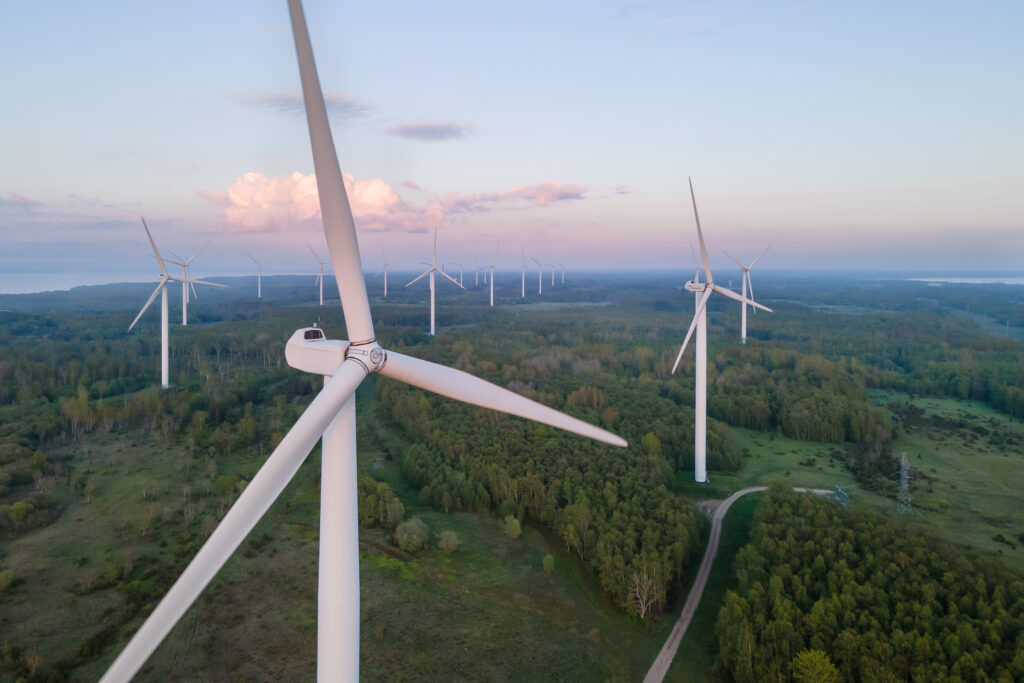
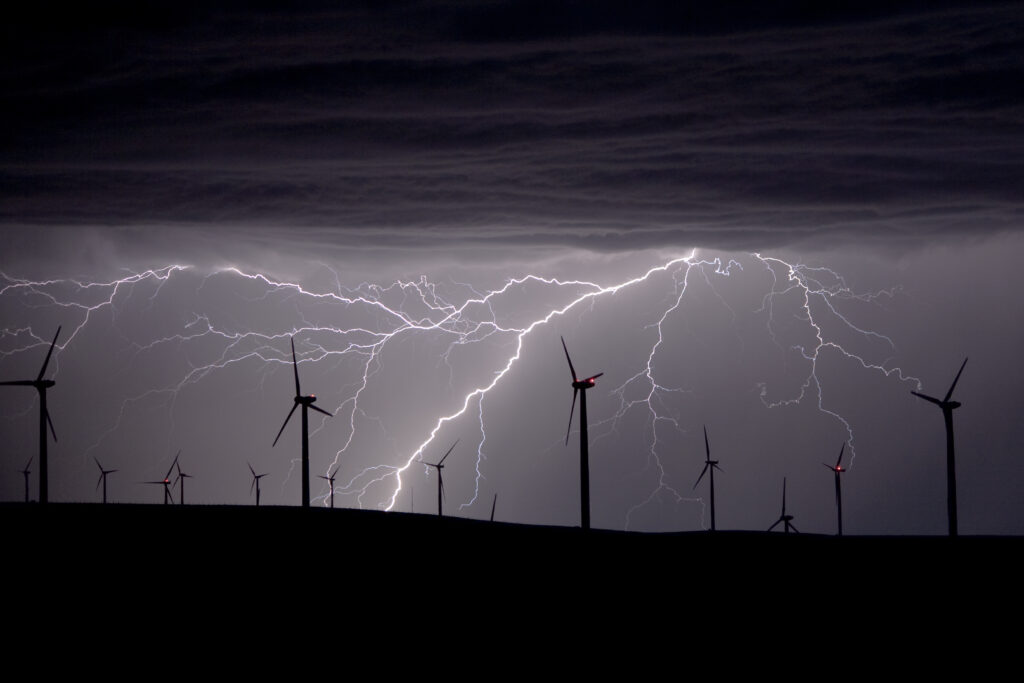
Due to their height, their isolation in open areas and their conductive components, wind turbines are naturally exposed to lightning strikes. Unlike urban structures, they often represent the shortest path between the electrically charged cloud and the ground, which increases the likelihood of a direct strike.
According to recent industry data, each turbine is struck by lightning at least once a year, and some sites can record up to 66 strikes per turbine per year, depending on the topography and local storm activity.
This risk is accentuated in certain areas with high storm activity: in several US wind farms, 2023 readings showed that some turbines were exposed to more than 1,000 lightning strikes per year, although the majority did not cause direct damage.
The real impact of lightning: industry facts & figures
In the wind industry, lightning strikes account for a significant proportion of operational losses:
- It is estimated that lightning-related damage costs the industry more than $100 million per year, representing a significant proportion of unplanned operating costs.
- Approximately 60% of blade losses observed in wind farms are attributable to lightning strikes.
- Between 1% and 3% of strikes result in significant damage to blades if protection is not optimal.
Finally, a single repair related to a lightning strike can cost hundreds of thousands of euros, especially if the failure requires a prolonged shutdown, complex logistics, or work at height.
Understanding Lightning Protection Systems (LPS)
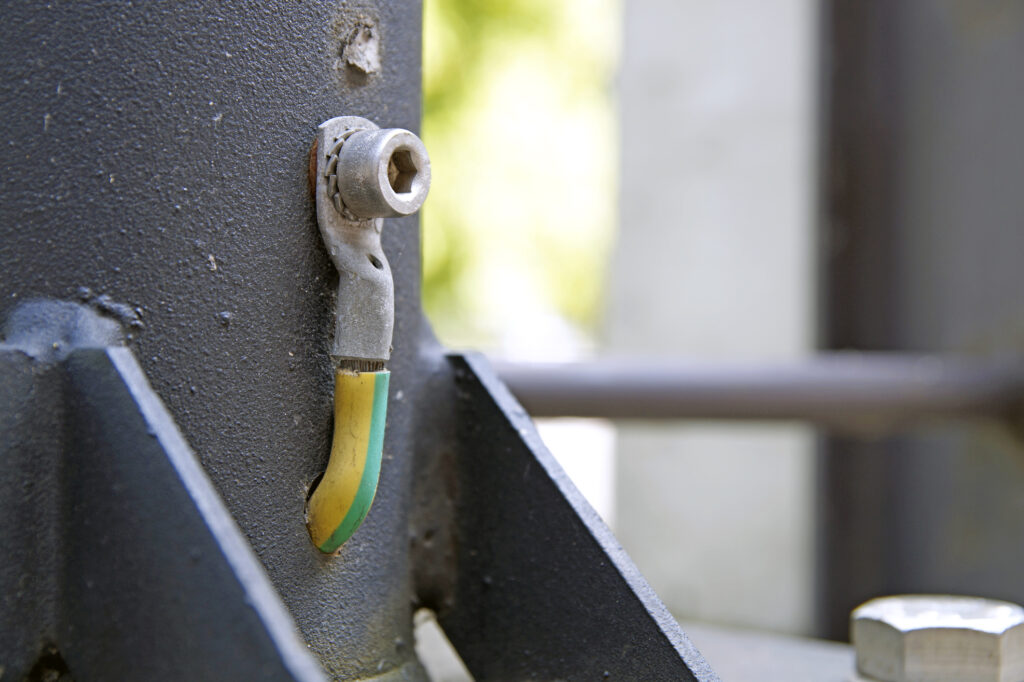
A Lightning Protection System (LPS) is much more than a lightning rod: it is a set of components designed to intercept, conduct, and dissipate the energy of a lightning strike to the ground in order to minimize destructive effects. LPS typically include:
- Lightning receptors on the blades and mast
- Low-impedance conductors
- A standard-compliant grounding network
The goal is to ensure that the extremely powerful current (often > 100 A even for “non-visible” strikes) is directed without damaging sensitive components or the structure.
Why damage may remain invisible
It is important to remember that damage caused by lightning strikes is not always immediately visible. Internal damage, particularly to blades, sensors, or electronic systems, may:
- not cause an immediate shutdown
- weaken critical components
- lead to unexpected failures later on
Specialized measurement systems now make it possible to capture even low lightning currents (e.g., 100 A), which can be the main cause of subsequent failure if undetected.
Standards and best practice: IEC 61400-24
The international standard IEC 61400-24 is the benchmark for everything related to lightning protection for turbines. It defines:
- Lightning risk assessment
- LPS design requirements
- Verification and testing methods during operation
In France, the application of this standard is supplemented by regulatory provisions for Installations Classified for Environmental Protection (ICPE), which require periodic protection system inspections.
Compliance is not just a question of performance: it also determines insurance coverage and wind farm operational sustainability.
LPS diagnosis: leveraging data to reduce risks
Real-time monitoring solution integration is becoming increasingly commonplace. Concrete benefits include:
- Live detection of lightning strikes
- Intensity & location analysis
- Maintenance intervention optimization
- Reduced downtime
These approaches make it possible to anticipate corrective actions before serious failure occurs, thereby improving availability and reducing operating costs.
Discover our LPS offers
A drone-based radar LPS testing solution, ideal when contact methods are not possible.
An advanced, safe and accurate solution for testing lightning paths through contact, using a unique drone designed specifically for contact.
Savings and performance: from cost to added value
Although the installation and maintenance of an effective LPS comes at a cost, its long-term benefits are clear:
- Significant reduction of unplanned downtime
- Lower repair costs
- Streamlined maintenance cycles
- Improved operational predictability
In a context where each day of unplanned downtime can represent thousands of dollars in lost production, a well-integrated LPS strategy becomes a key component of overall wind farm performance.
From invisible risk to proactive control
Lightning is not just a spectacular natural phenomenon: it is a real industrial risk for wind farms. Thanks to robust data, international standards and advanced monitoring technologies, operators can now turn this risk into a controlled factor, reducing unexpected costs and increasing asset availability.
A rigorous LPS strategy, integrated into a proactive maintenance policy, is an essential lever for ensuring the resilience and sustainable performance of wind power installations.